Things to Do in Fukuoka in September
September weather, activities, events & insider tips
Low Season · Budget Friendly
September Weather in Fukuoka
Temperature, rainfall and humidity at a glance
83°F (28°C)
High Temp
70°F (21°C)
Low Temp
6.9 inches (175 mm)
Rainfall
70%
Humidity
⚠ Typhoon season is at its statistical peak across Kyushu in September. Direct hits on Fukuoka are not annual events, but near-misses that bring sustained heavy rain, wind strong enough to suspend train and ferry services, and flight cancellations at Fukuoka Airport occur in roughly one out of every two or three Septembers. Monitor the Japan Meteorological Agency forecasts starting a week before your trip. Build at least one flexible day into your itinerary.
⚠ Sudden afternoon thunderstorms can produce localized flooding in low-lying streets around the Naka River and parts of Hakata. The water drains within an hour. But walking through shin-deep runoff in sandals is unpleasant and the underpasses near Hakata Station can become impassable. Stay on elevated ground. Or duck into the underground shopping arcades until the water recedes.
Is September Right for You?
Weigh the advantages and considerations before booking
Advantages
- + Summer crowds vanish after Obon in mid-August. By September, the queues at ramen shops along Kawabata-dori that snaked twenty deep in July shrink to a handful of locals on lunch break. Accommodation availability loosens across both the Hakata Station side and Tenjin. You will notice the difference most sharply at Dazaifu Tenmangu. The approach road of mochi shops and souvenir stalls finally has room to breathe.
- + September is when Fukuoka eats best. Pacific saury, called sanma, arrives fat and oil-rich from cold northern waters. The yatai stalls along the Naka River grill it whole over charcoal until the skin blisters and splits. New-crop rice hits the markets in the second half of the month. The difference between August rice and September shinmai is not subtle. The grains are glossier, stickier, faintly sweet. This is the kind of rice that makes you reconsider plain white rice as a dish in itself. Figs from the surrounding Chikugo region pile up at Yanagawa morning markets. Their skins are so thin they bruise if you look at them too hard.
- + Hojoya, Fukuoka's largest autumn festival, runs for a full week in mid-September at Hakozaki-gu Shrine. This is the single best window into what this city looks like when it throws a party for itself rather than for tourists. Over 700 stalls stretch for a kilometer along the shrine approach. They sell everything from grilled squid on sticks to the festival's signature shoga-candy and hand-blown glass toys called chanbara. The atmosphere after dark is Fukuoka at its most unselfconscious. Paper lanterns light the path. The smell of yakitori smoke mixes with incense drifting from the shrine.
- + The brutal edge of summer breaks. July and August in Fukuoka are oppressive. Crossing a parking lot leaves your shirt translucent with sweat. September still runs warm. But the highs drop from 32°C (90°F) to 28°C (83°F). Mornings cool to 21°C (70°F). By the last week of the month you can walk Ohori Park's 2 km (1.2 mile) lakeside loop at midday without feeling like you are dissolving. The city becomes walkable again. It simply is not in high summer.
Considerations
- − Typhoon season peaks in September across Kyushu. Fukuoka sits in the path. A direct hit is not guaranteed in any given year. The probability is highest between early September and mid-October. A passing typhoon can ground flights at Fukuoka Airport for a full day. It can suspend JR Kyushu train services across the region. It can turn the Naka River from a pleasant backdrop to the yatai stalls into a brown torrent that forces the stalls to close entirely. Travel insurance is not optional. It is structural.
- − Rain arrives less as gentle drizzle and more as sudden, heavy downpours. These can dump 30 mm (1.2 inches) in an hour, often in the afternoon. The intervals between storms are frequently gorgeous, clear and warm. You cannot plan a full outdoor day with certainty. Outdoor plans on Nokonoshima Island or along the Momochi waterfront need a same-morning weather check. Do not commit a week ahead.
- − Humidity at 70% still clings. September in Fukuoka is not the steam room of August. The air remains thick enough that you will sweat through a cotton shirt walking from Hakata Station to Canal City, a distance of barely 800 m (0.5 miles). Air conditioning runs aggressively indoors. The temperature swing between a chilled department store and the street outside can be 12°C (22°F). You will be shivering one moment and damp the next.
Best Activities in September
Top things to do during your visit
September strips Fukuoka of its worst heat. The thick humidity of August loosens its grip. You get softer warmth instead, and the first hints of autumn waiting just ahead. The air still carries traces of summer rain. Yet it feels lighter now. Days turn bright and clear. This is transition month. Locals reclaim the yatai stalls once evenings cool down. No major events crowd the calendar. Daily life becomes the attraction itself. Travelers find a window here: Fukuoka's famous food and coastal scenery under forgiving skies, before peak season crowds arrive. Weather shapes everything in September. Highs hit 28 degrees Celsius, warm but not brutal. Good for wandering the city's big parks or hopping to nearby islands. Expect roughly ten rainy days. Showers pass quickly. They leave the air smelling of damp earth and clean pavement. Humidity drops from summer peaks. Walking the streets feels easier. The trees stay vivid green. Markets overflow with late summer produce. Coastal breezes carry the saline scent of Hakata Bay.

Fukuoka Evening Tours: Yatai, Izakaya, Karaoke and more
guided_experienceYou move from glowing riverfront yatai stalls to the noisy warmth of a local izakaya. The night ends in a karaoke booth. Private. Often raucous. Groups sing until late. This is a curated plunge into how Fukuoka lives after dark.
It offers safe, immersive access to nocturnal rituals that define the city. Language barriers fall away. So does indecision.
Insider tip: Wear slip-on shoes. You'll enter tatami rooms at izakayas. Probably the karaoke box too.

Colors of Japan, Fukuoka Nokonoshima Island Park & Wagyu BBQ
otherThe park sits a short ferry ride from the city. Large meadows. Themed gardens. Panoramic views of Hakata Bay. A clean escape from the urban grid. Locally raised. Cooked over charcoal.
It masterfully combines two Kyushu pleasures: skilled horticulture and world-well-known beef. One satisfying journey.
Insider tip: Stand on deck during the ferry crossing. Feel the cool sea breeze. Watch the Fukuoka skyline shrink. A sensory prelude to island tranquility.

Private Full Day Tour from Fukuoka to Nagasaki
day_tripThis is historical travel. Nagasaki carries a uniquely international past. The tour provides comfortable, focused access to key sites: Peace Park, Glover Garden. Guides add context that enriches everything. The long drive becomes part of the exploration. Kyushu's landscapes roll past your window.
It transforms a complex day trip, multiple train changes required, into an easy, informative exploration. One of Japan's most historically significant cities.
Insider tip: Use vehicle time wisely. Ask your guide about lesser-known connections between Fukuoka and Nagasaki through history.

Tour Fukuoka or Nagasaki in Privacy and Comfort.
guided_experienceVehicle and driver included. Craft your own itinerary from food, history, shopping. Comfort and privacy let your group set the pace. Linger over ramen lunch in Fukuoka. Hunt antique shops. No navigation stress. No scheduling headaches.
Ultimate flexibility for travelers with specific interests. Or for those who simply want the city's offerings without fixed group tour structure.
Insider tip: Food priority? Discuss with your guide beforehand. Book tables at reservation-only tonkatsu or sushi restaurants in Fukuoka.

YokaBus Heritage in a Cup of a Yame Tea & Sake Tasting Expedition
culturalThe tour enters production areas directly. Taste subtle, award-winning teas. Compare them with regional sake varieties. The artisanship behind both becomes clear.
A focused, adult-oriented exploration of taste and terroir. Far from typical sightseeing. Deep appreciation for agricultural and brewing heritage.
Insider tip: Watch temperature and preparation closely during tea tastings. Subtle flavor differences teach the culture surrounding this drink directly.

Fukuoka Culture and Gourmet sightseeing Tour
guided_experienceStart at visually striking historical sites like Kushida Shrine. Move to sizzling sounds and smoky aromas of street food markets. Guides connect the city's merchant port past to its present food obsession. Taste specialties: mentaiko, Hakata tonkotsu ramen.
Efficient combination of essential cultural landmarks with curated culinary crawl. Context and calories together. One enriching experience.
Insider tip: Arrive hungry. Pace yourself early. The final food stop is often the most substantial. And the most beloved.
Explore More Activities in Fukuoka
Didn't see anything interesting yet?
Browse Viator's full catalog of tours, day trips, food experiences, and private guides in Fukuoka.
See All Fukuoka Tours on ViatorWhere to Stay in Fukuoka in September
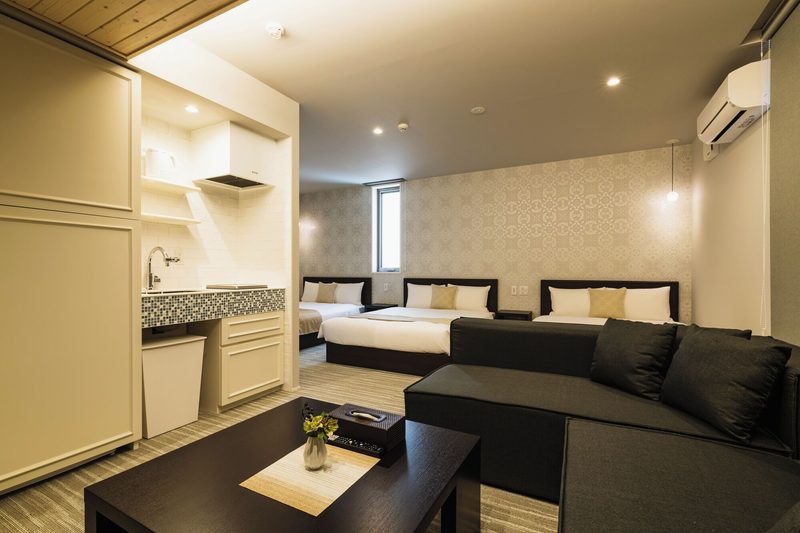
Hand-picked hotels across price tiers for September travellers.
Public Holidays in September
Dates that affect opening hours, transport and crowds
敬老の日
Known in English as Respect for the Aged Day. Observed nationwide as a public holiday.
秋分の日
Known in English as Autumnal Equinox Day. Observed nationwide as a public holiday.
敬老の日
Known in English as Respect for the Aged Day. Observed nationwide as a public holiday.
秋分の日
Known in English as Autumnal Equinox Day. Observed nationwide as a public holiday.
敬老の日
Known in English as Respect for the Aged Day. Observed nationwide as a public holiday.
秋分の日
Known in English as Autumnal Equinox Day. Observed nationwide as a public holiday.
Packing Checklist
Bookmark this page — your progress is saved between visits
Need the full list with shopping links?
Climate-specific gear, brand recommendations, and what to leave at home.
View Fukuoka Packing List →Essential Tips
Insider knowledge and common pitfalls to avoid
Insider Knowledge
The yatai stalls are famous. But the ones clustered on Nakasu Island and along the Naka River waterfront near Tenjin Chuo Park are the ones locals frequent. The Nagahama waterfront cluster near the fish market skews harder toward tourists and tends to close earlier. If you want the late-night experience, the Tenjin-side stalls stay open until 1 or 2 AM on weekends, and by 11 PM the crowd is almost entirely off-duty restaurant workers and taxi drivers eating their own version of a nightcap: a bowl of tonkotsu ramen with extra chashu and a cold beer.
Fukuoka Airport sits absurdly close to the city center. Two subway stops from Hakata Station, roughly five minutes platform to platform. This means September typhoon disruptions are a scheduling problem, not a logistics one: when flights resume, you are back in the terminal in fifteen minutes. It also means the neighborhoods around Hakata Station catch jet noise throughout the day. Light sleeper? Book accommodation in Tenjin or the Daimyo district instead, roughly 2 km (1.2 miles) west and noticeably quieter.
Fukuoka's tap water is safe and tastes fine. But the city has a complicated relationship with its water supply. Kyushu's rainfall patterns make Fukuoka one of the few Japanese cities that has historically experienced water restrictions. September is not a restriction month. But the cultural habit of conservation persists. Locals do not let taps run, and you will notice that restaurant water glasses are small. Carry a refillable bottle. Fill it at any park fountain or station water cooler.
The covered shopping arcades connecting Tenjin to Canal City Hakata, Tenjin Chikagai underground mall, and the Shin-Tencho and Kami-Kawabata-dori shotengai, are September's best-kept practical advantage. When afternoon rain arrives, you can walk nearly 2 km (1.2 miles) of shops, food stalls, and department stores entirely under cover without ever stepping outside. The arcades are not a tourist attraction. They are the city's actual commercial spine. Treat them as your rain-day spine and September's weather disruptions shrink to inconveniences rather than lost days.
Avoid These Mistakes
Assuming ramen shops near Hakata Station are the best because they are the most visible. The station-adjacent cluster caters to transit traffic and shinkansen passengers grabbing a bowl between connections. The ramen worth crossing the city for is in the older neighborhoods south of Watanabe-dori and along the backstreets of Nagahama, where the broth has been simmering since before dawn and the shop seats twelve people on stools with no English menu. Ask your accommodation staff for their personal recommendation, not the one in the guidebook. Locals have strong and specific opinions about ramen in Fukuoka. They are almost always right.
Packing only for heat and forgetting that September evenings cool down meaningfully. By 9 PM temperatures drop to 21-23°C (70-73°F), and if you have spent the afternoon in an air-conditioned museum wearing shorts and a tank top, the walk to the yatai stalls along the river will feel cool rather than warm. Pack a light long-sleeve layer. It saves you from either shivering or cutting the evening short.
Trying to visit Dazaifu on a weekend without adjusting expectations. Tenmangu's approach road on a Saturday or Sunday in September still draws substantial domestic visitors, families with students praying for academic success, and the narrow lane between the mochi shops can feel like rush-hour foot traffic. A Tuesday or Wednesday visit transforms the experience entirely. The train schedule is identical.
Ready to plan your trip to Fukuoka?
Now that you've got the research covered, here's where to go next.